About the service
Ur Dental offers dental veneers in North York. A veneer is a thin piece of porcelain bonded to a tooth, and veneers are one of the cosmetic procedures described by the Ontario Dental Association (ODA).
According to the ODA, veneers are used to repair teeth that are chipped or stained. They may help close gaps between teeth, may correct teeth that are slightly crowded or overlapping, and may improve the look of teeth that have discoloured with age.
The Canadian Dental Association (CDA) adds cracked and misshapen teeth to that list.
Whether veneers are an option for your teeth is decided after an examination, which you can book with Ur Dental.
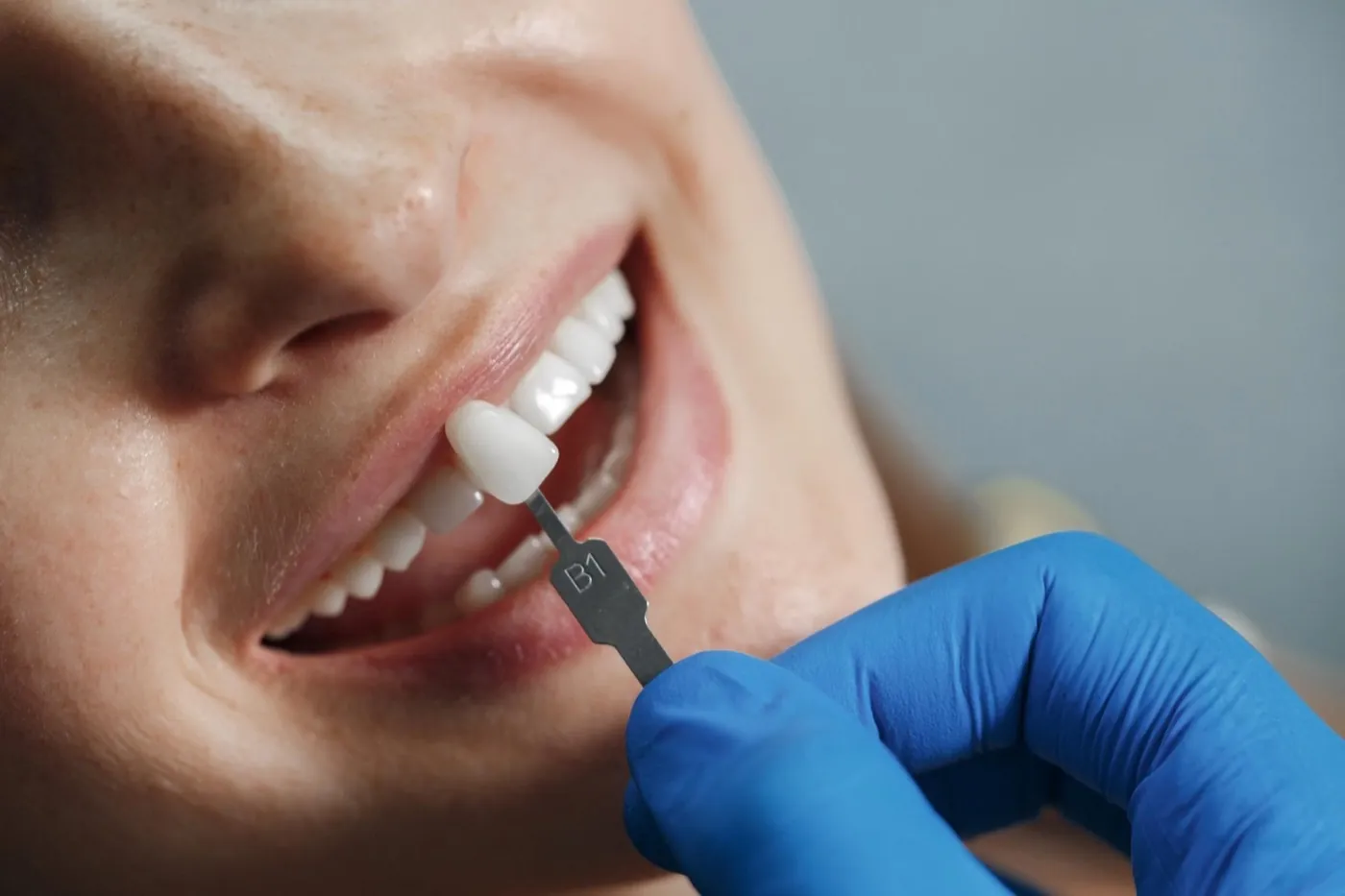
What are dental veneers?
The ODA describes veneers as strong, thin pieces of porcelain bonded to the teeth. The CDA describes them as very thin shells of porcelain or composite resin that cover the entire front surface of a tooth.
Bonding is different: the CDA says it is typically used for smaller repairs, and the ODA notes that bonding is done in the dental office, while veneers require laboratory work.
Of the two veneer materials, the CDA says composite resin can be done in a single visit, while porcelain generally lasts longer and resists stains better.
Am I a suitable candidate for veneers?
Not everyone is, and an examination comes first. Before any treatment starts, your dentist reviews your medical history and symptoms and examines your mouth, and can then tell you whether your teeth are healthy enough for a cosmetic procedure and what kind of results to expect.
At Ur Dental, we look at your overall dental health before recommending porcelain veneers. An ODA page on direct-to-consumer dentistry says existing dental problems need to be treated before any procedure is considered, so if your teeth or gums need attention, we will work with you on that first.
We also look at your tooth enamel, since placing a porcelain veneer means removing a thin layer of it. The ODA says a veneer is used instead of a crown only if enough tooth structure and enamel remain.
The CDA lists situations in which a dentist may suggest a different treatment: the tooth has decay or gum disease, or there is not enough enamel for a veneer to bond. If a large part of the tooth is missing, a crown may be needed instead.
The CDA also says grinding or clenching your teeth can damage veneers, and the ODA lists signs of clenching or grinding among the things a dentist looks for at an exam.
What happens during veneer treatment?
The CDA describes porcelain veneers in two stages. The dentist removes a thin layer of enamel, takes a mould of your teeth and fits temporary veneers. At a follow-up visit, the custom veneers are bonded to your teeth with dental cement.
How many visits will I need?
Usually more than one for porcelain veneers. The ODA says that, depending on the colour and shade, veneers may take more than one appointment, and the CDA says porcelain veneers usually need at least two visits.
Ask your dentist how many visits your own plan involves.
Is local anaesthetic used for veneers?
Often, yes. The ODA says preparing teeth for veneers frequently requires local anaesthetic.
Ask your dentist what to expect during the preparation and afterwards.
What should I know before I agree to veneers?
Veneers are not reversible. The CDA gives the reason: enamel is removed from under the veneer. The ODA says the enamel is ground down slightly to make room for it.
Your dentist must tell you about the material risks. The Royal College of Dental Surgeons of Ontario (RCDSO) explains that these include risks a reasonable person in your position would want to know, risks you have raised yourself, common risks that are relatively minor but likely, and serious risks even if they are rare.
The RCDSO suggests that you be given time to consider elective treatment, and notes that a personalized treatment letter lets you review the details, get a second opinion and talk it over with family or friends.
The ODA adds that you can always seek a second opinion on a proposed treatment plan, and suggests asking why the treatment is recommended, what the alternatives are, and what happens if you refuse or delay it.
What are the alternatives to veneers?
The ODA says your dentist is the person to recommend the options that suit your needs and treatment plan. It describes three other cosmetic procedures alongside veneers.
Bonding: tooth-coloured composite resin is added to the tooth and hardened with a light. The ODA calls it a relatively conservative treatment with a limited lifespan, depending on the case.
Crowns: a crown is a cover that fits over a tooth that is broken, misshapen, badly stained or damaged by decay.
Teeth whitening: a separate procedure for discoloured teeth. Your dentist can tell you which whitening method, if any, is suitable for your teeth.
How do I look after veneers?
The CDA advises brushing and flossing veneered teeth every day, as you would your natural teeth, and not biting hard objects such as ice or fingernails.
Keep up regular dental visits. The ODA recommends seeing a dentist at least once a year, or more often depending on your needs, and an exam includes checking the condition of your gums and how previous dental work is holding up.
An ODA patient publication advises that if you have unexpected discomfort after a dental procedure, you check with your dentist before taking any medication. If you have discomfort or another concern after treatment, call Ur Dental during opening hours.
When would I be referred to a specialist?
The ODA explains that when the treatment you need is complex, your dentist will refer you to a dental specialist.
Specialists complete extra training in one area of dentistry. They most often work with both you and your general dentist, and you can also contact a dental specialist on your own.
How are fees for veneers set?
In Ontario, each dentist sets their own fees. The ODA publishes a Suggested Fee Guide every year that lists dental services with a code and a suggested fee for each, but it is a reference point only: dentists are not required to follow it, so a fee can be above or below the Guide. The RCDSO says a dentist must tell you if they intend to charge more than the fees in the ODA guide.
The ODA says fees reflect factors such as how complex the treatment is, the time it takes and the materials used.
The ODA notes that veneers require laboratory work, and explains that where a commercial laboratory charge applies, it is in addition to the dentist's fee, and the amount passed on to you is exactly what the laboratory charged the dentist.
A cost estimate comes after an examination: your dentist reviews the treatment options and gives an estimate for the treatment plan before going ahead. It is an estimate because costs can change during treatment. The RCDSO says an estimate should include materials and laboratory fees at cost where they apply, and that if the plan has to change during treatment, the dentist should explain the additional costs and confirm that you agree before continuing.
For complicated treatment plans, the RCDSO says dentists should consider a detailed written financial agreement before treatment starts, setting out the total fee, the lab fee and the payment schedule.
Veneers: common questions
No. To make room for a veneer, the tooth enamel has to be ground down slightly, the Ontario Dental Association says. The Canadian Dental Association notes that because enamel is removed underneath, veneers are not reversible.
Preparing teeth for veneers frequently needs a local anaesthetic, the Ontario Dental Association says; the preparation involves grinding the tooth enamel down slightly to make room for the veneer. Ask your dentist what to expect afterwards. If you have unexpected discomfort after a dental procedure, an ODA patient publication advises checking with your dentist before you take any medication.
Porcelain veneers usually take at least two visits, according to the Canadian Dental Association, while composite resin veneers can be done in one. For porcelain veneers, the dentist removes a thin layer of enamel, takes a mould of your teeth and fits temporary veneers, and the custom veneers are bonded at a follow-up visit. The Ontario Dental Association adds that more than one appointment may be needed, depending on the colour and shade.
No number of years is given: the Canadian Dental Association says only that porcelain veneers generally last longer, and resist stains better, than composite resin veneers. It also notes that grinding or clenching your teeth can damage veneers. The Ontario Dental Association recommends at least one dental visit a year, and part of the exam is checking how earlier dental work is holding up.
No. Bleaching whitens only natural tooth enamel and does not change the colour of veneers, crowns or fillings, and Health Canada says the same of tooth whitening products. An ODA patient magazine advises that if you are planning restorative dental work, you talk to your dentist about whitening beforehand and then have the dental material shade-matched to your new tooth colour, so ask how this applies to your veneers.
There is no set price: each Ontario dentist sets their own fees, and the ODA's Suggested Fee Guide is only a reference, so a fee may be above or below it. The ODA notes that veneers need laboratory work, and where a commercial lab charge applies it is added to the dentist's fee at exactly what the lab charged. Your dentist must tell you if they intend to charge more than the fees in the ODA guide, and you can ask for an estimate that covers both the professional fees and the laboratory charges.
They may not be. The Canadian Dental Association notes that bonding and veneers are often considered cosmetic and may not be covered by a benefits plan, and the Ontario Dental Association explains that a plan's own terms decide what it pays for, so a treatment may not be covered even when it is needed. Your dental office can send a pre-treatment form to your benefits administrator for a predetermination of benefits, which shows what is covered and your plan's limits but is not a promise of coverage.
There is no “cosmetic dentist” registration in Ontario: the Royal College of Dental Surgeons of Ontario registers dentists either as general dentists or as certified specialists, and a general dentist may not use a title such as “cosmetic dentist” or imply specialist status. The Ontario Dental Association says your dentist will refer you to a dental specialist when treatment is complex.
Visiting Ur Dental in North York
Ur Dental is at 6239 Bathurst Street, at Bathurst and Steeles. On-site parking is available.
Hours: Tuesday to Friday 10 a.m. to 6 p.m., Saturday and Sunday 9 a.m. to 5 p.m., closed Monday.
Sources
- Ontario Dental Association: Cosmetic Dentistry
- Ontario Dental Association: Patient Fact Sheet: Common Dental Procedures (YourOralHealth.ca, Fall/Winter 2015-16)
- Canadian Dental Association: Bonding & Veneers
- Ontario Dental Association: Dental Treatment Estimates
- Ontario Dental Association: Direct-to-Consumer Dentistry
- Ontario Dental Association: General Dental Examination
- Ontario Dental Association: YourOralHealth.ca magazine, Winter 2018, "Ask Your Dentist"
- Ontario Dental Association: YourOralHealth.ca magazine, Spring 2012, pp. 16-17
- Ontario Dental Association: YourOralHealth.ca magazine, Summer/Fall 2017, "Brighter Whites"
- Health Canada: The Safe Use of Home Tooth Whitening Kits
- Ontario Dental Association: Dental Specialists
- Royal College of Dental Surgeons of Ontario: Use of qualifications, titles, and designations
- Royal College of Dental Surgeons of Ontario: Frequently Asked Questions - Consent to Treatment
- Ontario Dental Association: Dental Costs Explained
- Royal College of Dental Surgeons of Ontario: Fees & Charges
- Royal College of Dental Surgeons of Ontario: Ensuring patients understand and agree to the cost of treatment
- Ontario Dental Association: Commercial Laboratory Charges
- Ontario Dental Association: Dental Benefits Explained
Clinical information last reviewed October 9, 2026