About the service
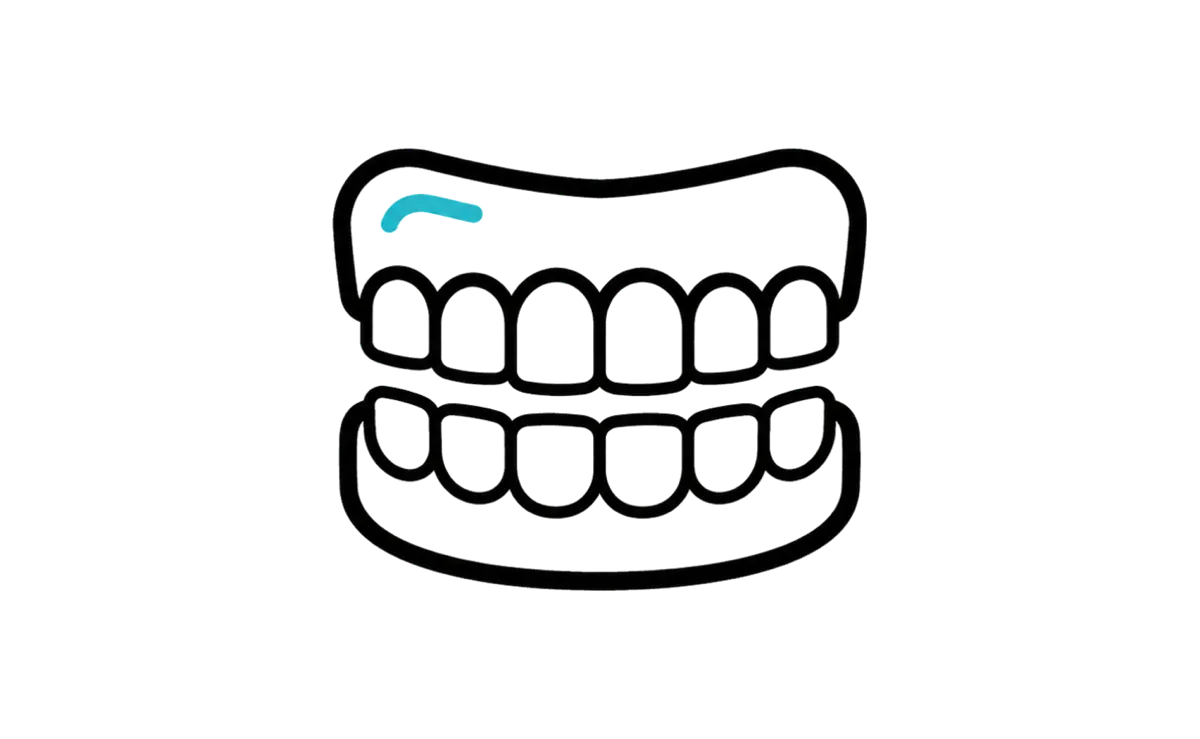
Dentures are artificial teeth and gums that take the place of missing natural ones. The Canadian Dental Association (CDA) says your dentist might suggest them if few or no healthy teeth remain, whether because of an accident, disease or poor oral care.
The Ontario Dental Association (ODA) recommends replacing a tooth that is lost or has to be taken out, and lists bridges, implants and dentures among the ways to do it. It says dentures help with speech, chewing and swallowing.
At Ur Dental in North York, a dentist can examine your mouth and tell you whether dentures are right for you.
What types of dentures are there?
The ODA describes two types, full and partial; which one you need depends on how many teeth you have lost. The CDA also describes a third kind, the overdenture.
These are general descriptions; your dentist can advise which option, if any, suits you.
Complete dentures
A complete, or full, denture is for when all of your natural teeth are missing, and suction holds it in place. The CDA describes two kinds.
An immediate denture is made in advance and put in by your dentist once the teeth are extracted, so you have teeth throughout healing, which the CDA says can take up to six months. Because your bone and gums can shrink as they heal, it may need relining by your dentist so that it fits properly.
A conventional denture is made and put in later, once the teeth have been removed and the gums and jaw have healed.
Partial dentures
A partial denture is an option when more than a few teeth are missing, or when the teeth next to the gap are not strong enough to support a bridge. It stays in place with clasps that fit onto the natural teeth nearby, and you can take it out yourself for cleaning and at night.
Overdentures
The CDA says your dentist may suggest an overdenture if you are having trouble with complete dentures. It is removable: any remaining natural teeth are reshaped so it can rest on them, and if none are left, small implants are placed in the jawbone for it to attach to.
What happens at a denture appointment?
A dentist must have all necessary and relevant medical information before starting treatment, so the Royal College of Dental Surgeons of Ontario (RCDSO) advises answering the medical history questionnaire fully. After examining your mouth, the dentist goes over your treatment options with you.
To make the denture, your dentist takes impressions of your mouth to create a model, along with measurements, and a dental laboratory custom-makes the denture from them. Ask your dentist how many appointments your treatment will need.
Do new dentures hurt?
New complete dentures can feel sore at first, and the CDA notes that they take some time to get used to.
According to the Government of Canada, a well-fitting denture should be comfortable and help you talk, chew and smile; it should not hurt, cause swelling, feel loose or affect your speech. If yours is not like this, see your dentist, who can check it and make adjustments if they are needed.
If teeth are extracted first, the CDA says pain is normal once the freezing wears off; it may be worst in the first 24 to 48 hours, and some soreness may last three to five days.
How do you clean and care for dentures?
Like natural teeth, dentures need daily cleaning; without it, the CDA says, plaque and tartar can collect on them, resulting in staining, bad breath and gum problems. The ODA recommends cleaning them twice a day, out of your mouth, with a denture brush or a soft toothbrush and liquid hand soap or denture toothpaste, not regular toothpaste, which may scratch them.
Before the dentures go back in, brush any natural teeth you have and use a moist toothbrush to clean your gums. Because a denture can break if you drop it or grip it too hard, handle it over a folded towel or a sink filled with water.
Take your dentures out overnight to let your mouth rest. The ODA fact sheet says to store them dry in a denture cup, while the CDA says to keep them in water so they do not dry out or warp; ask your dentist which to follow.
When should you see your dentist?
The ODA advises denture wearers to see the dentist at least once a year, more or less often if your dentist recommends it. At these visits the dentist checks your tongue and jaw joints and screens for diseases such as oral cancer.
A denture should not change shape, but your mouth sometimes does, and changes in the gums or bone underneath may affect the fit. The CDA notes that every so often a denture will need to be adjusted or relined so that it keeps fitting well.
The CDA says a cracked denture should be taken to your dentist or a specialist for repair.
If a denture has become loose, a dental adhesive may keep it stable in an emergency until you can see the dentist; for an urgent problem, call Ur Dental during opening hours.
What are the risks of dentures?
A poorly fitting denture may cause denture sores, and the CDA notes these can make oral cancer harder to spot.
The Government of Canada notes that older adults whose dentures have stopped fitting well commonly have red or swollen gums. For partial dentures, the ODA lists a poor fit as a risk factor for gum disease, and a change in fit as one of its warning signs.
Gum disease affects dentures as well: a denture cannot sit well on gums that are sore, swollen or bleeding, and a partial denture needs strong natural teeth and gums to stay firmly in place.
What are the alternatives to dentures?
Other options the ODA describes include a bridge and an implant. A bridge is non-surgical: it is made of false teeth that attach to the natural teeth around the gap. An implant is surgical: a replica tooth is screwed into the jawbone, replacing both the root and the tooth.
Before you decide, the ODA suggests asking your dentist about other options and what refusing or delaying treatment would mean. You can always get a second opinion, though you will likely pay for that examination.
Who provides dentures, and when is a referral made?
All Ontario dentists are licensed and regulated by the RCDSO. Your dentist takes the impressions for your denture, puts it in and adjusts it; a dental laboratory makes the denture itself.
Prosthodontics, the dental specialty for restoring natural teeth and replacing missing ones, is among the recognized dental specialties the RCDSO lists for Ontario.
When treatment is complex, a dentist refers the patient to a dental specialist, and you can also contact a specialist yourself. The CDA notes that if you have problems with your dentures, your dentist may suggest seeing a prosthodontist.
How are denture fees set?
Each dentist sets their own fees. The ODA's yearly Suggested Fee Guide lists services with codes and suggested fees, but dentists do not have to follow it, and fees may be above or below it.
According to the ODA, fees reflect factors such as how complex the treatment is and how long it takes, the materials used, specialized equipment, and sterilization and safety protocols. It also explains that dentures need commercial laboratory work and that the lab's charge is added to the dentist's fee at the exact amount the lab charged.
Before going ahead, the dentist gives you a cost estimate; the actual cost can change during treatment. You can ask for it to show both the professional fee and the lab charge, and send it to your dental plan to get a predetermination of benefits, which shows what your costs will be.
Ur Dental accepts the Canadian Dental Care Plan (CDCP). We bill CDCP directly where the plan covers the service; you pay any co-payment.
Dentures: common questions
They are custom-made in a dental laboratory, based on impressions and measurements of your mouth. Your dentist uses the impressions to make a model for the lab to work from, and the ODA says the materials include acrylic and metal. For an immediate denture, your dentist takes the measurements and models at your first visit, ahead of the extractions.
The difference is when they are made. Both are complete dentures, but an immediate denture is ready to go in when your teeth are extracted, so you are not left without teeth while you heal, whereas a conventional denture is made only after your gums and jaw have healed. Healing can take up to six months, according to the CDA, and because the bone and gums can shrink in that time, an immediate denture may need relining to keep it fitting properly.
They can be sore at first: the CDA says new complete dentures can cause soreness and that getting used to them takes some time; ask your dentist what to expect in your case. A denture that fits well should be comfortable, and it should not cause pain or swelling, feel loose or change your speech; if it does, have your dentist check it and make any adjustments it needs. Where teeth are removed first, pain is normal once the freezing wears off and may peak in the first 24 to 48 hours.
Twice a day, take them out and clean them with liquid hand soap or denture toothpaste on a denture brush or soft toothbrush. Avoid household cleaners and regular toothpaste, which the CDA says are too abrasive, and brush all surfaces gently, including under any clasps. Leave them out overnight, and ask your dentist whether to store them dry or in water, since the ODA and the CDA advise differently.
Dentures can loosen because your mouth sometimes changes shape even though the denture does not; when the gums or the bone supporting it change, it may not fit as it did. Your dentist can check the fit and make adjustments, and the CDA says dentures also need relining from time to time to keep them fitting well. With a partial denture, the ODA lists a change in fit among the warning signs of gum disease.
Yes. The ODA says to visit your dentist at least once a year even if you wear dentures, and your dentist may suggest more or fewer visits to suit your needs; the visit includes a check of your tongue and jaw joints and screening for disease. The Government of Canada also advises having dentures checked regularly to see whether they need adjusting or repair.
There is no single price: each dentist sets their own fees, and the ODA Suggested Fee Guide is a reference that dentists do not have to follow. The ODA explains that a denture also needs commercial laboratory work, with the lab's charge passed on at exactly what the lab billed, so you can ask for an estimate showing both before treatment. Ur Dental accepts the Canadian Dental Care Plan. We bill CDCP directly where the plan covers the service; you pay any co-payment.
The ODA lists bridges and dental implants as other options for replacing lost teeth. A bridge replaces teeth without surgery by attaching false teeth to the neighbouring natural teeth, while an implant is a surgical procedure that replaces the root as well as the tooth. Ask your dentist about the alternatives and about what refusing or delaying treatment would mean; you can also get a second opinion.
Visiting Ur Dental in North York
Ur Dental is at 6239 Bathurst Street, at Bathurst and Steeles. On-site parking is available.
Hours: Tuesday to Friday 10 a.m. to 6 p.m., Saturday and Sunday 9 a.m. to 5 p.m., closed Monday.
Sources
- Ontario Dental Association: Denture Care
- Ontario Dental Association: Cosmetic Dentistry
- Ontario Dental Association: Tooth Loss
- Ontario Dental Association: Common Dental Procedures
- Ontario Dental Association: Caring for Dentures, Tips for Seniors and Caregivers (PDF)
- Ontario Dental Association: Tips for Seniors and Caregivers
- Ontario Dental Association: Gum Disease
- Ontario Dental Association: Dental Specialists
- Ontario Dental Association: Your Dental Team
- Ontario Dental Association: Dental Treatment Estimates
- Ontario Dental Association: Dental Costs Explained
- Ontario Dental Association: Commercial Laboratory Charges
- Royal College of Dental Surgeons of Ontario: Resources for patients, Frequently Asked Questions
- Royal College of Dental Surgeons of Ontario: Use of qualifications, titles, and designations
- Canadian Dental Association: Dentures
- Canadian Dental Association: Care after Minor Oral Surgery
- Canadian Dental Association: Dentures and Implants (Oral Health for Seniors)
- Government of Canada: Oral health for seniors
Clinical information last reviewed October 9, 2026